
Mice vs rats is one of the most common questions Dubai residents ask when they see droppings or hear noises in the walls. Both rodents contaminate food, damage property, and carry diseases. However, they are different in size, behavior, breeding speed, and the level of risk they create.
Understanding the differences between mice vs rats helps you choose the right control method and act before the problem grows.
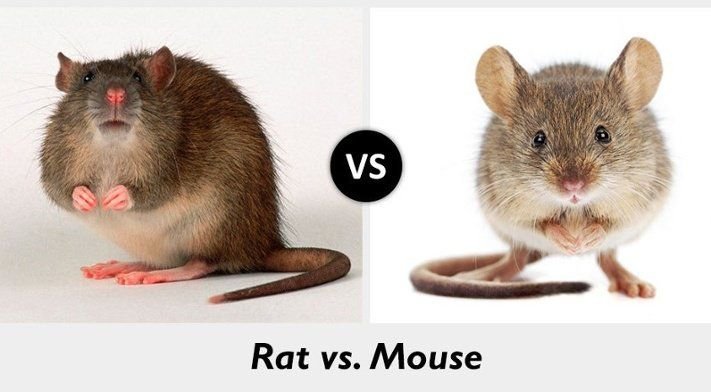
Which is more dangerous – mice vs rats?
Rats are generally more dangerous for homes. They cause heavier structural damage, carry higher rates of certain diseases such as leptospirosis, and can behave more aggressively when cornered. Mice breed much faster and can enter through very small gaps, so a small problem can turn into a large colony quickly. Both species need professional treatment for complete and lasting removal.
How do mice and rats differ in size and entry points?
Mice are smaller. An adult house mouse usually has a body length of 7–10 cm and can squeeze through gaps as small as 6–7 mm (about the size of a coin). Rats (mainly Norway rats and roof rats found in Dubai) are larger and stronger. They need openings of roughly 12–15 mm but once inside they cause more damage because of their size and powerful chewing ability.
Which rodent causes more property damage?
Rats cause more serious structural damage. They chew through thicker electrical wires, plastic pipes, wood, and insulation. This increases the risk of electrical faults and even fire. Mice mainly damage food packaging, soft materials, and smaller wiring. However, because mice reproduce so quickly, a large number of mice can still create widespread contamination and cumulative damage across the property.
What diseases do mice and rats carry?
Both rodents can spread diseases through their droppings, urine, saliva, and nesting materials. The main risks include:
| Disease | More Commonly Linked To | How It Spreads |
|---|---|---|
| Salmonellosis | Both | Contaminated food and surfaces |
| Leptospirosis | Rats (higher rates) | Contact with urine in water or soil |
| Hantavirus | Mice (certain species) | Inhaling dust from dried droppings |
| Rat-bite fever | Rats | Bites or scratches |
| Lymphocytic choriomeningitis | Mice | Droppings, urine, or nesting material |
Health authorities including the World Health Organization (WHO) note that rodents play a role in spreading several diseases. In urban areas like Dubai, rats often present a higher overall health risk because of leptospirosis and more aggressive behavior.
How can you tell if you have mice or rats?
The easiest way is to look at the droppings. Mouse droppings are small (similar to rice grains) and usually have pointed ends. Rat droppings are larger and more capsule-shaped. Other clues include the size of gnaw marks and where the activity is happening. Mice prefer wall voids, cabinets, and kitchen areas. Rats are more often linked to sewers, gardens, and larger voids in the building.
How Antipest Controls Mice and Rats
DIY traps and poisons often fail against established colonies. Professional treatment is more reliable.
Antipest provides specialized rodent control and dedicated mice control in Dubai. Our certified technicians start with a full property inspection to identify the exact species, locate nesting sites, and find all entry points. We then seal gaps with durable materials, place targeted bait stations and traps, and use Dubai Municipality-approved methods that are safe for homes with children and pets. Follow-up visits help make sure the infestation is fully eliminated and does not return.
You can also view our complete list of pest control services if you are dealing with more than one type of pest.
If you are seeing droppings, hearing noises in the walls, or finding signs of chewing, contact Antipest today for a free inspection and professional treatment.